On advising
Tips for archival research
General advice
On Advising
If you’re a student at UChicago, feel free to reach out to about the above issues. I also welcome students interested in working with me for their graduate/undergraduate theses. Some things to keep in mind:
On advising undergraduate/masters theses:
- In general, I advise theses that directly relate to my research areas. Sometimes I will advise projects that interest me for some other reason. There’s no easy way to know this besides contacting me with a (brief) note describing your interest area.
- Most of the B.A. theses I advise are by students who take and do well in my undergraduate course Secret Side of International Politics (29202).
- Most of the M.A. theses I advise are by students who take and do well in one of my graduate seminars or who work on issues directly relevant to my research.
- Please keep in mind that I may have to decline a request to advise if I have too many existing advisees.
On advising Ph.D. dissertations:
- In general, I advise students who have taken a seminar with me.
- I will consider advising a wide range of dissertation topics. A direct relationship to my work is not necessary.
- When discussing my potential role as an advisor for the Ph.D., be prepared to talk frankly about two issues. First, what your goals are after finishing your Ph.D., including your interest (or not) in teaching-heavy academic jobs and non-academic jobs. Second, the role you see me filling on your committee.
On letters of recommendation:
Please request any letters no less than one month before the due date for letter writers. Plan to send a short email reminder a few days before any important deadlines.
If I have not written a letter for you before, you should send one email with a set of materials I can use to write a well-informed letter about a month before the first deadline. Most important is any written work you have done for me in a class. Also useful is a personal statement or similar overview of your experience at UChicago and future plans; unofficial transcript; resume / CV; other written work that is especially relevant and/or high quality; any background information about non-academic jobs, experiences, accomplishments that is relevant.
From choosing a grad program to publishing a book, there are so many aspects of doctoral training and early-career professionalization that are opaque. Below are some of my general tips about entering and navigating the academic world.
Tips for Archival Research
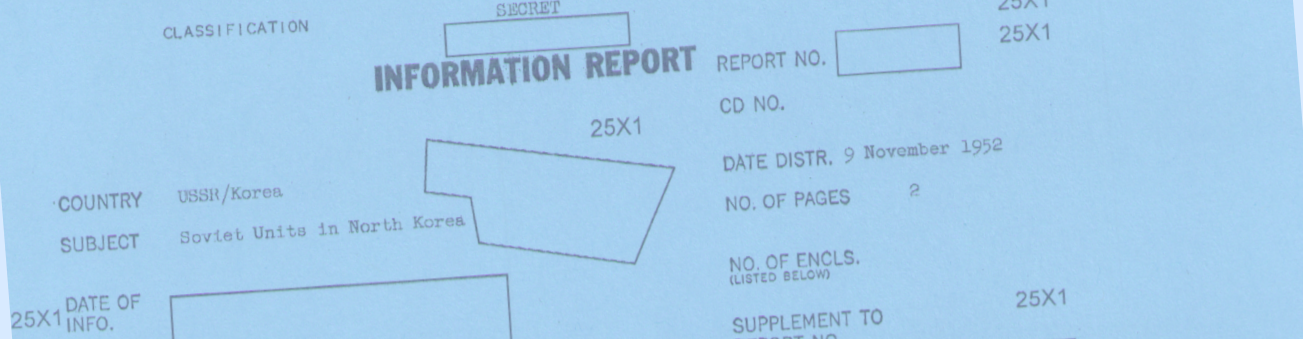
I often use archival documents in my research. I’ve gathered some materials and tips for doing this kind of work below.
General resources
- The syllabus for my undergraduate course “The Secret Side of International Politics” has useful readings.
- This chapter by Joshua Shifrinson is worth checking out: Shifrinson, Joshua. “Digging through documents: The promise, problems, and prospects of archival research for international relations.” Handbook of Research Methods in International Relations. Edward Elgar Publishing, 2022. 583-606.
- This “Guide to Archival Research” from American Historical Association may be useful.
- Marc Trachtenberg, a historian and international politics specialist, has a list of primary sources that is very helpful in the appendix in The Craft of International History.
Online archival collections
More and more archival collections are being put online for anyone to use. Undergraduate and graduate students interested in doing this type of work might find these sources a useful place to begin.
General Advice
Should I get a Ph.D?
I was tremendously underinformed when I made my own decisions about this. Don’t hesitate to ask for my thoughts during class, office hours, or any other time in person. One specific issue I always emphasize to students: do not view a Ph.D. as the next logical step in a life of success in school. Pursuing a Ph.D. sometimes seems to just be the thing academically-gifted, intellectually-oriented people do. I disagree.
Getting a Ph.D. is most sensible if you strongly desire to be an academic. And being an academic isn’t just living a “life of the mind.” Again: I had no idea what this was all about when I started. The daily rhythm of work is very different from other jobs: it is wildly unstructured; positive reinforcement is rare and glacially slow; it can be a boring, tedious, emotionally-taxing job. I was incredibly lucky in that the positives of being an academic (for me, the freedom to explore my curiosities, an excuse to write, and the chance to work with and mentor students) make all of this very much worthwhile. But I passionately believe people should have a more realistic understanding of what the profession is like before signing up.
If you come from a family of academics, then perhaps this is intimately familiar! If not, I suggest finding honest people to talk about what it’s like to “be a professor.” Do you think you will be happy and successful working in the highly unusual and unstructured day-to-day rhythm of a professor? To put it crudely, having no boss and no 9-5 and summers off sounds like a dream …but at times it is miserable (being honest!). It behooves students to ask faculty and current Ph.D. students to get a good sense of the realities of getting an academic job and day-to-day life as an academic.
How do I publish as a grad student?
We often hear: “the academic job market today dictates that grad students have to publish while in grad school.” OK sure. But how? Here’s a Twitter thread I did with tips on how to break it down into a manageable process, along with some useful comments from others in the responses.
What to do with tough comments?
From time to time we get tough written comments from folks more experienced or senior than us. What to do with them? Here’s a Twitter thread I did with some thoughts.
Tips on publishing a book?
Moving from dissertation to book can be one of the hardest transitions in academia. Many of the steps are totally opaque, including how and when to approach an editor, selecting which press to prioritize, and how to organize a book workshop (if you are fortunate to have resources for it!). Some tips based on my experience in this thread.
 Austin M. Carson